Gear Every Rideshare and Delivery Driver Should Carry
 By Andrew, rideshare driver since 2014
· Updated
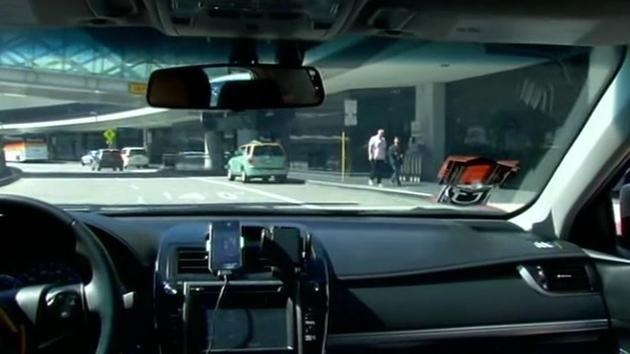
I first wrote this list in 2016, when the Uber-issued iPhone 4S was still a thing and a good USB car charger was hard to find. Most of the list still holds up. Some of it did not, so I rebuilt it for 2026. I am deliberately not naming specific products here. Models come and go, and I would rather tell you what to look for than send you to something that is out of stock.
The items are in the order I would buy them if I were starting over.
1. A phone mount you can use with one hand
You will have your phone in view for every trip, so this is the one item to spend real thought on. Do not drive with the phone in your lap or down by the gear shift. It is awkward after an hour and it is dangerous.
Mount type matters more than brand: vent, dash, windshield, cupholder, and magnetic or MagSafe-style each have trade-offs. I wrote a separate guide, choosing a phone mount for driving, that covers them and the rules about where a mount can legally sit.
Also check your state’s phone law. A growing number of states now require hands-free use for all drivers. GHSA’s state-law page, reviewed in 2025, counts 33 states plus Washington, D.C. that ban handheld phone use for all drivers, and other trackers differ by a state or two. States keep adding laws (Connecticut’s stricter rules took effect October 1, 2026), so check your state’s current rules.
2. A USB-C charger and cables that match your phone
Navigation, the driver app and a bright screen drain a phone fast. A phone left to run on its own battery for a full shift will not make it.
- Look for a car charger with at least one USB-C port that supports USB Power Delivery (PD). A 30W PD port is a sensible target for current iPhones and most Android phones. Some Samsung phones charge fastest on chargers that also support PPS, so check your phone’s specs.
- Buy cables from a known brand and keep a spare. Cheap cables are a common reason a phone charges slowly or not at all.
- iPhones moved to USB-C starting with the iPhone 15, but plenty of drivers and riders still have Lightning phones. If you offer riders a cable, carry both types.
- Wireless charging is convenient in a mount, but it runs warmer than a cable. In hot weather with navigation running, I would use the cable. See the mount guide for more on heat.
3. All-weather floor mats
Rubber or molded mats keep the carpet clean and make wet days and spilled coffee a two-minute job instead of a deep clean. They do not need to be a premium brand. What matters is the fit for your exact car and that they are anchored properly.
Two safety points: make sure the driver’s mat is secured with the retaining clips so it cannot slide under the pedals, and never stack a second mat on top of the first.
4. Cleanup supplies
You do not need much, but you want it within reach:
- Paper towels and tissues
- Disinfecting wipes and a spray cleaner that is safe for your seats and trim
- Disposable gloves
- A few plastic trash bags
- Sick bags for the back seat (see car sickness and vomit bags for what to carry and how to handle a mess)
In 2016 I guessed that a passenger vomits in the car about once in 2,000 rides. That was only my own rough estimate, but the point stands: it is rare, and it is cheap to be ready.
5. Tire gear: gauge, inflator, and a plan for a flat
NHTSA recommends checking tire pressure at least once a month, with cold tires, against the number on the label in your driver’s door jamb (or your owner’s manual), not the maximum on the tire’s sidewall. A cheap gauge and a small 12V or battery-powered inflator make that easy. I used a 12V inflator twice a year in 2016, once when the cold dropped my pressure and once when I swapped winter tires for summer.
For a flat, many newer cars come with no spare at all. AAA reported in 2017 that 28 percent of 2017 model-year vehicles had no spare as standard equipment. I could not find a newer AAA figure, but plenty of new cars still skip the spare. You usually get one of these instead:
- A sealant-and-compressor kit. It handles small tread punctures. AAA has said these kits cannot fix sidewall damage or blowouts, and that the sealant has a shelf life.
- Run-flat tires, which AAA says can carry a car roughly 50 miles on a puncture at reduced speed, then need a shop.
- A temporary spare (donut) or a full-size spare, if your car has the room.
Find out which you have before you need it. If your car has a spare, check its pressure as well, and keep the jack and wrench in the car. When I first wrote this list I had just bought a 4-way lug wrench and wished I had found one years earlier, because you can use two hands and it spins quickly. If you would rather not change tires, a roadside assistance plan is a reasonable alternative, but check what it covers for a car used for rideshare or delivery.
6. A jump starter
Batteries die at bad times, and winter makes it worse. A compact lithium jump starter is smaller than jumper cables and does not need a second car. Consumer Reports’ coverage notes these packs can also charge phones and tablets, but they only work if you keep them charged. Put a reminder on your calendar to top it up. Check the manufacturer’s temperature limits before leaving one in a car through a hot summer or a hard freeze. A set of jumper cables is a cheap backup.
Some jump starters have a built-in air compressor. That can cover two items, though a combined unit is usually bulkier than a separate inflator.
7. Safety and emergency items
- First aid kit. Get one that is stocked and in date. Replace anything that has expired.
- Seat belt cutter and window breaker. Keep it where you can reach it while belted, not in the glovebox or trunk.
- Reflective triangles or flares, and a flashlight. The flash on your phone works, but a small LED flashlight keeps your phone’s battery for navigation and helps you find items a rider dropped.
- Dash cam. Recording and audio laws vary by state, and I am not covering that here. See the dash cam post.
- Use the in-app safety tools. Uber’s driver app includes an emergency button, trip sharing and RideCheck, and Lyft has its own safety tools. Features vary by city, so set up your emergency contacts before you need them.
8. Ice scraper and a snow brush
Only if you drive where it freezes. A scraper clears a windshield in about a minute, while waiting for the defroster can take much longer. In 2016 I carried a small scraper all year in case I forgot the larger one.
Items by vehicle type
Electric vehicles. The kit is mostly the same, with a few differences. An EV still has a 12V battery that can die, so a jump starter is still useful, but check your owner’s manual for the correct jump procedure. Many EVs ship without a spare, so a sealant kit or a plan for roadside assistance matters. Keep your charging cable organized and in the car, and plan your charging stops as part of your shift.
Delivery drivers. You may not need the passenger items, but the phone mount, charger, tire and battery gear apply to you too. Add an insulated bag if your platform requires or recommends one, and check your platform’s current requirements in the app.
What I would skip
A box of 100 road-flare and tool-kit items costs more than it is worth if you never use them. Buy the pieces you will use, make sure you know how they work, and keep them where you can reach them. If you are tracking what a shift really costs, the vehicle cost per mile calculator will show how maintenance and gear add up.
New to driving? Start with the guide for future drivers.
Our picks by category
We keep a short list of products that reviewers recommend for drivers, with notes on what to look for: